As of late March 2026, the conflict in Iran (Operation Epic Fury) has moved from an initial military shock to a deep, systemic disruption of the global trucking industry. Since the Strait of Hormuz was effectively closed on March 4, the industry has faced a “triple threat” of soaring fuel costs, redirected freight flows, and a surge in organized fraud.
The impact of the US-Iran conflict extends beyond fuel costs, bringing more fraud and cybersecurity risks to the trucking industry. Here’s a breakdown of how the ongoing conflict is rippling through the trucking industry:
1. The Diesel “Price Spike” and Margin Compression
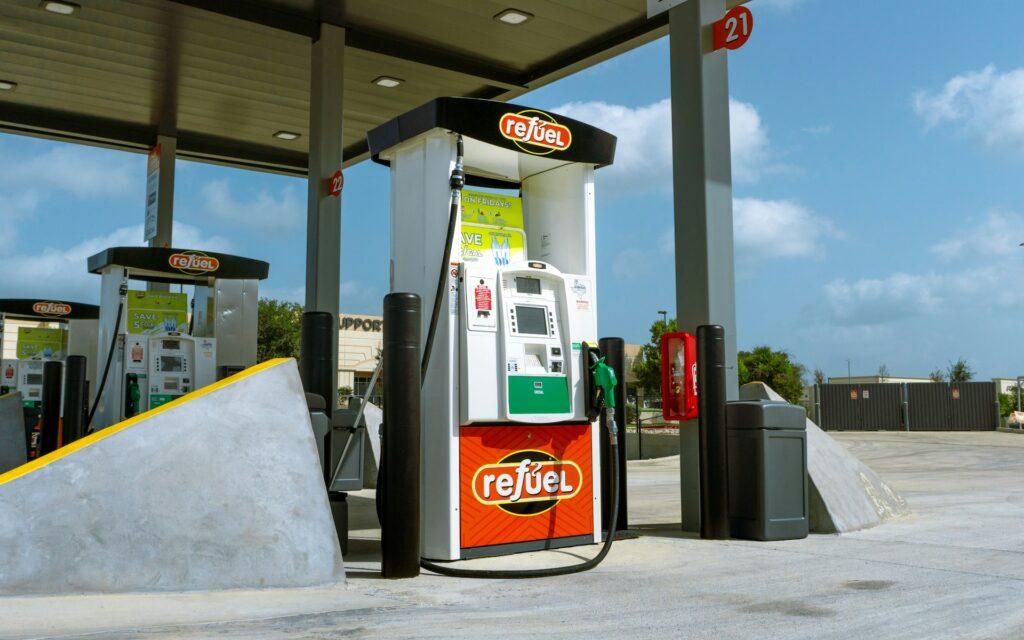
The most immediate impact is the extreme volatility in fuel prices. In early March, U.S. diesel prices saw their largest single-week jump since 2022, rising by 80 cents per gallon in seven days.
- The Surcharge Gap: Most trucking contracts use a fuel surcharge that lags behind pump prices by 7–14 days. Consequently, carriers are currently paying “war-time” fuel prices while being reimbursed at “pre-war” rates, causing a massive short-term cash flow drain.
- National Average: As of March 22, diesel averages are roughly $1.10 higher than they were in January, adding an estimated $45 billion in annual costs to the U.S. trucking industry.
2. Supply Chain “Port Pivoting”
With ocean carriers like Maersk and MSC suspending all transits through the Strait of Hormuz, the “Middle Mile” has been thrown into chaos.
- The “Least-Worst” Port Strategy: Instead of entering the Persian Gulf, ships are dropping cargo at “safe” ports in the Red Sea or Oman. This has created an overnight demand for long-haul road transport to move goods from these alternative ports to their final destinations.
- Equipment Imbalance: Containers are piling up in ports that weren’t designed for this volume, while other regions are facing a “chassis drought” because equipment is stuck in the wrong part of the world.
3. The Rise of “Geopolitical Fraud”
Industry analysts have noted a sharp increase in sophisticated cargo theft and identity takeover since the conflict began.
- Identity Takeover: Cyber-actors are exploiting the chaos to steal the credentials of legitimate motor carriers. They book high-value loads (electronics, medical supplies) on digital freight boards and then “disappear” with the cargo.
- Cyber Warfare: Logistics networks are being treated as critical infrastructure targets. There has been a reported 30% increase in phishing and ransomware attempts targeting fleet management software and GPS routing systems since the death of the Iranian Supreme Leader on Feb 28.
4. Maintenance and Parts Shortages
The war has severely impacted the production of petrochemicals, which are essential for the “guts” of a truck.
- Tires and DEF: Iran and its neighbors are key exporters of the chemicals used in tire manufacturing and Diesel Exhaust Fluid (DEF). Shortages are beginning to appear in global markets, with some fleet managers reporting a 15% price hike in replacement tires this month.
- Plastic Components: Delays in resin shipments are stalling the production of truck body parts and interior components, potentially extending lead times for new truck deliveries into 2027.
Bottom Line
The war is hitting trucking primarily through fuel costs, with secondary effects from global supply chain disruptions, cargo rerouting, and broader economic instability. How long these pressures last depends heavily on the duration and scope of the conflict itself.